
5 easy ways to drive more website traffic
TL;DR
- Start with foundational SEO so the people searching for what you do can actually find you.
- Make every page worth landing on: say clearly what you offer and what to do next.
- Use strong photos and short-form video to give people a reason to click through.
- Promote specific pages consistently in the places your audience already spends time.
- Check your analytics each month so you know which habit is worth keeping.
Start here: traffic that actually helps your small business
More traffic only helps when the right people are the ones landing on your pages. Contentsquare’s view is that brands should care more about the quality and intent of visits than about raw traffic volume, especially as AI-shaped discovery changes how people search (source).
That changes the job in front of you. You are not trying to win as many clicks as you can. You are trying to be found by the people you can genuinely help, and then give them a reason to stay.
It also means the people who already know you count. Contentsquare argues that retention belongs in a traffic strategy, because returning visitors make up a meaningful share of traffic, engagement and conversions on many sites. Bringing someone back is usually easier than finding someone new.
The five moves below are built for that. None of them is a one-time hack. Each one is a small, repeatable habit you can keep up while you are still running your business.
Way #1: Make your website findable with foundational SEO
Make your website clear and understandable for both humans and search engines, so the people searching for what you do can actually find you. That is all foundational SEO is. Not tricks, not chasing algorithms.
Shopify reports that 37% of respondents named marketing as their top Year 1 challenge (source). If marketing feels hard for you too, you are not alone. The good news is that some of the biggest wins happen in your website basics.
Foundational SEO comes down to a few things:
- Clear page topics
- Natural keywords
- Helpful page titles
- Honest meta descriptions
- Headings that match what people actually look for
Step 1: Choose simple phrases your people would actually type
Think about how your best-fit client would describe what you do, out loud.
Examples:
- “wedding florist in Lafayette”
- “brand photographer for creative businesses”
- “tax prep for small businesses”
Use those kinds of phrases:
- In your page titles
- In your main headings
- In your first few sentences of real copy
Keep it natural. If a phrase feels awkward, rephrase it or use it once and move on.
If you are curious about more strategic phrases later on, you can explore offers like Louisiana web design services with foundational SEO built in so you are not guessing alone.
Step 2: Fix your page titles and meta descriptions
Page titles and meta descriptions are what usually show up in Google results. You can edit these in most website platforms.
For each main page:
- Title
- Include what you do and where you are.
- Example formula:
- Service | Location | Business name
- “Wedding florist in Lafayette, LA | Magnolia Blooms”
- Meta description
- One or two short sentences.
- Say who you help and what they can do next.
- “Heart-led wedding florist in Lafayette, creating garden-inspired bouquets and installations. View our portfolio and inquire for your date.”
Do this for:
- Home
- Services
- About
- Contact
- Any main service or product page
Step 3: Use headings like road signs, not decoration
On each page, break your content into sections with clear headings.
Instead of:
- “Offerings”
Use:
- “Brand photography for creative business owners”
- “Custom cakes for Lafayette weddings”
These headings help:
- Your visitors quickly scan and understand
- Search engines match your page to real searches
Step 4: Make sure each page is about one main thing
If you try to make a single page rank for every topic you can think of, it usually ranks for nothing.
Pick one clear main topic per page. If you offer three different services, each one probably deserves its own page:
- Website design
- Brand photography
- Copywriting
That way your page content, title and headings can all line up with one idea.
Way #2: Make every page worth landing on
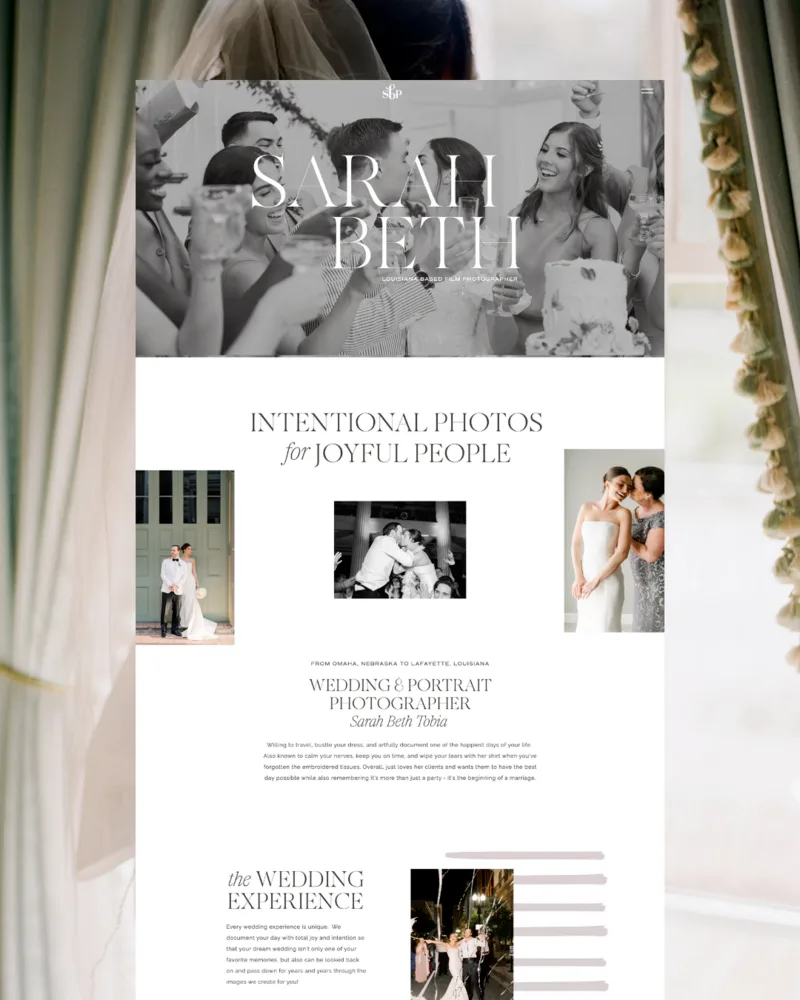
Make each main page answer three questions fast, because visitors decide whether to stay or leave in seconds, and the traffic you worked for is wasted if they land and click away confused:
- Who are you, and where are you?
- What do you offer?
- What can they do next?
Make your homepage a “front porch”, not a maze
Your homepage does not have to be fancy. It does have to be clear.
Near the top of the page:
- One simple line about what you do and where
- “Brand photographer in Lafayette, helping small businesses show up confidently online.”
- One clear button
- “View services”
- “See packages”
- “Book a consult”
Right below that, add:
- A short intro about who you serve and what makes your approach different
- A quick list or grid of your main offers, each linking to its own page
If someone lands on your homepage from Instagram at 11 p.m., tired in bed, they should not have to scroll a full-page hero video to figure out who you are.
Give each service page a clear path
On each service or product page, think in this order:
- Name the service in plain language
- “Website design for service providers”
- Give one short paragraph about what it does for them
- Answer the obvious questions
- Who is this for?
- What is included?
- How does it work?
- Invite them to act
- “Inquire now”
- “Start your project”
- “Book a discovery call”
Avoid the two extremes:
- Walls of text with no headings, so people cannot scan
- Pretty photos with almost no explanation, so people cannot tell if it fits them
Check your navigation with a friend test
Ask a friend who is not deeply inside your business:
- “Can you find my prices or starting rates in under 30 seconds?”
- “Can you tell me what areas I serve?”
- “Can you see how to contact me?”
If they struggle, simplify your navigation:
- Keep 4–6 main items in the top menu
- Use everyday words: “Home, About, Services, Portfolio, Blog, Contact”
- Avoid clever labels that hide what pages actually are
You can see a lean version of this kind of structure in offers like The Mini Site for early-stage businesses who want a lean, findable website.
Way #3: Use photos and short-form video to give people a reason to click
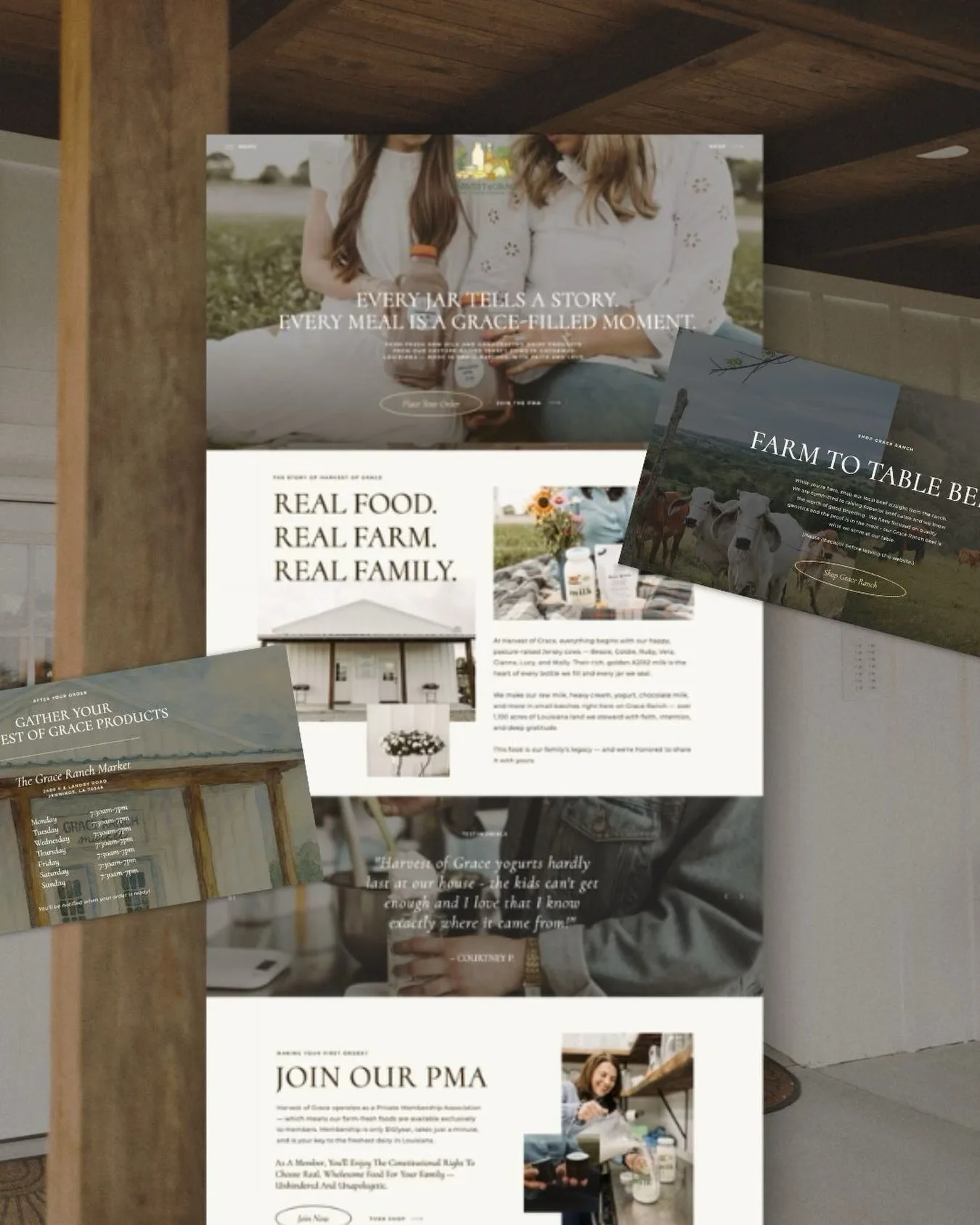
People do not leave Instagram, TikTok or Pinterest just because you said “new blog post” in a caption. They click because something caught their eye and felt worth a closer look.
Eye-catching, on-brand photos and quick videos:
- Make someone stop scrolling
- Help them imagine themselves working with you
- Give context so clicking over to your site feels natural
This is especially true for visually-led businesses like:
- Photographers
- Florists
- Bakers and caterers
- Event planners
- Interior designers
- Salons and studios
Use photos that match what you sell
The visuals you share should look like the experience you actually give clients.
Ideas:
- A behind-the-scenes photo from a Lafayette shoot, with a link to your portfolio page
- A close-up of a bridal bouquet with a caption that links to your wedding services
- A cake-cutting moment from a wedding reception, linking to your custom cake page
If you want your visuals to work even harder, brand sessions like these brand photo and video sessions for Louisiana small businesses are designed for exactly this kind of content.
Turn one piece of content into multiple “click invitations”
Say you write a blog post about “What to wear for your engagement photos”.
You can create:
- A 15–30 second Reel walking through one outfit tip, with a “read the full guide” link
- A TikTok showing three outfit combos, then a text overlay: “Full checklist on my site”
- A carousel on Instagram with still photos, and the last slide saying “Link in bio for the full guide”
- A Pinterest pin that leads straight to that blog post
Each piece uses visuals plus a simple call to click through.
Keep videos short and specific
You do not need long, polished videos.
Instead, film:
- A quick before/after
- A 30-second “process in three steps”
- A short answer to a question you hear all the time
Focus each video on one small moment, then point people to the page on your site that connects:
- “Want this kind of session for your brand? See the full details on my services page.”
- “Curious about my wedding packages? They are all on the site.”
Way #4: Promote your site consistently in the right places
You do not need every marketing channel. You need the few that fit your bandwidth and where your people already pay attention.
If you hate a platform, you will not show up there. If your ideal clients never open LinkedIn, that is not your best first move, even if some guru says so.
Think about:
- What you can realistically keep up with
- Where you already have even a small audience
- How quickly you need results
- Whether you like writing, video, or photos more
Choose 1–3 main traffic channels
For many small businesses, a mix might look like:
- One or two social platforms
- Instagram for visuals
- TikTok for personality and behind-the-scenes
- Pinterest if you are in a visual, planning-heavy space like weddings or interiors
- A simple monthly or twice-monthly newsletter
- Even a small email list can send steady, high-intent traffic back to your site
- Local features and partnerships
- Being listed on local directories
- Collaborating with nearby vendors
- Guest features on a partner’s blog
Make it easy to mention your site often
Wherever you show up, ask:
- Is my website link easy to find?
- Do I mention specific pages, not just “link in bio”?
Examples:
- Instead of “new blog post”, say:
- “I just shared 5 tips to choose your Lafayette wedding photographer. Read it on my blog.”
- When you post a brand photo on Instagram, say:
- “Want photos like this for your business? All my brand photography details are on my site.”
You can see more ideas about building a business that fits you in posts like Four ways to build a better photography business.
Build tiny routines, not heroic sprints
Instead of trying a “content sprint” for a week and then disappearing for a month, aim for:
- 2–3 posts a week on your chosen platform
- 1 email a month, even if it is short
- Updating one page or blog post on your site each month
Schedule a recurring 60–90 minute “marketing hour” in your week. During that time, focus only on:
- Writing one or two social posts that point to your site
- Drafting your next email
- Tweaking a page title or heading
Tiny, steady actions will move your traffic more than big bursts you cannot maintain.
Way #5: Measure what’s working (without getting overwhelmed)
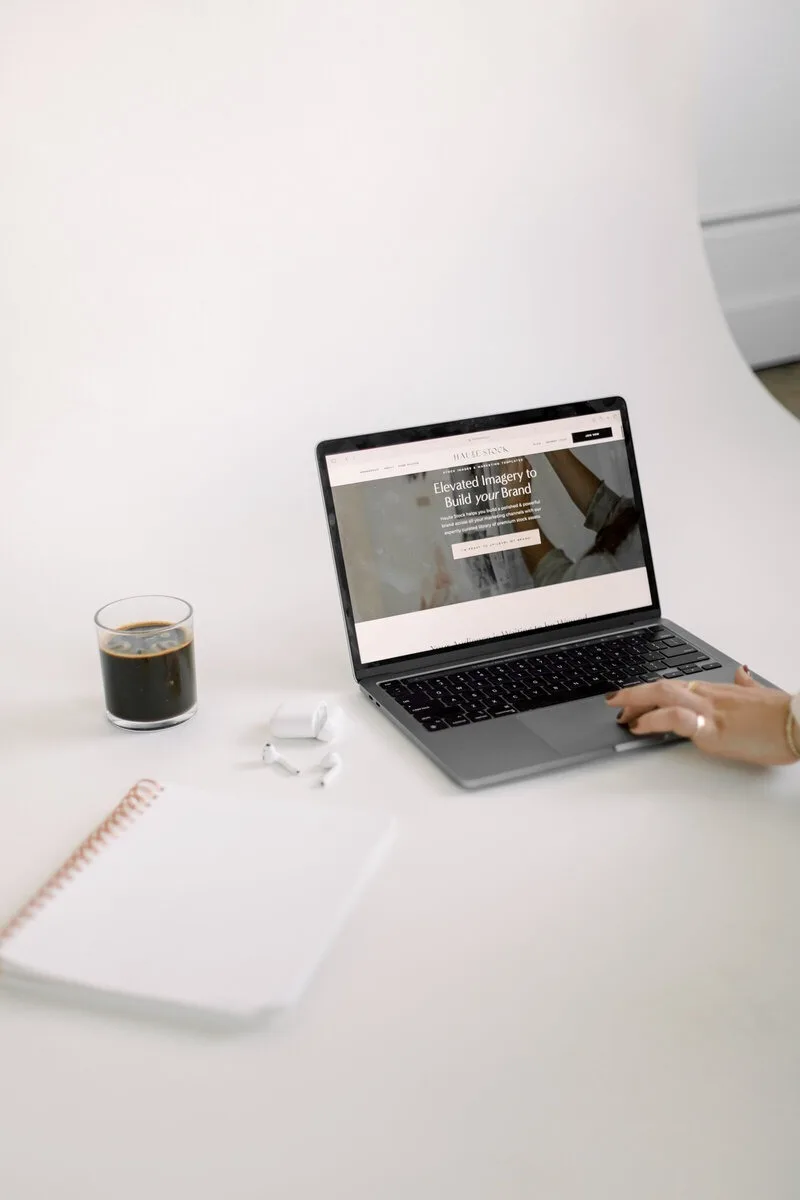
You do not have to be a data person to make smarter choices with your marketing.
Basic numbers like total visitors, traffic by channel and which pages people land on first are enough for most small businesses to make better decisions about how to drive more traffic to your website.
If you have any analytics tool installed (Google Analytics, your website platform’s built-in stats, or something similar), start with three questions:
1. How many people are visiting overall?
Look at:
- Total visitors in the last 30 days
- Compare it to the 30 days before
If the numbers are tiny, that is okay. Improvement is what matters. If you start with 30 visitors a month and move to 60 in a few months, that is real growth.
2. Where are people coming from?
Most tools will show channels like:
- Social
- Direct (typing your URL or using a bookmark)
- Search
- Referral (clicking from another website)
Notice:
- Which channel sends people who actually stay and click around
- Which channels send people who leave right away
That tells you where to put more of your limited time.
Example:
- If Instagram sends fewer visitors than search, but your Instagram visitors look at multiple pages, keep posting and linking to your site.
- If a local directory sends people who never click past your homepage, maybe your listing is unclear, or your homepage needs stronger copy.
3. Which pages are people landing on first?
Find your “top landing pages”. These are the pages where visitors enter your site, not just your most viewed overall.
Make sure those top landing pages:
- Quickly say who you are and what you offer
- Have a clear next step (contact, service detail, pricing, etc.)
If your most common landing page is an old blog post with no links to your services, update it:
- Add a short section: “Ready to book your own session?”
- Link to your contact or services page
- Add one or two photos that show the result of working with you
Checking these three things once a month is enough to guide smart choices.
How to choose your first (or next) traffic move?
You might be thinking, “All of this sounds good, but I cannot do everything at once.”
Good. You are not supposed to.
Here is a simple way to pick your starting point, based on effort, cost, and how soon you want to feel a difference.
Remember: foundational SEO and making pages worth landing on are lower-cost but slower-burn moves that support everything else.
If you want the most solid base for everything else
Start with:
- Way #1: Make your website findable with foundational SEO
- Way #2: Make every page worth landing on
These do not require ads or a big audience. They do require a bit of focused time, but once you fix titles, headings and main page content, those improvements keep working in the background.
Choose this if:
- Your site feels vague or outdated
- People often say “I did not realize you offered that”
- You have not updated your homepage or services pages in a year or more
If you already have an audience but few site visits
Start with:
- Way #3: Use photos and short-form video to give people a reason to click
- Way #4: Promote your site consistently in the right places
Choose this if:
- You have some traction on Instagram, TikTok or Pinterest
- People interact with your posts but rarely click your link
- You enjoy creating photos or video more than writing long blogs
Your goal here is to turn the attention you already have into website visits.
If you are not sure what is working
Start with:
- Way #5: Measure what’s working
Choose this if:
- You have been posting and updating your site, but traffic feels random
- You want to know what to double down on
- The idea of “data” feels scary, but you are willing to look at a few basic numbers
Take 30 minutes, once, to open your analytics and answer the three questions above. That alone often reveals your next, most obvious move.
FAQ: Quick answers about driving more website traffic
Why is my site not getting traffic at all, and which move should I check first?
When almost no one is visiting your site, it is usually because:
- People cannot find you in search
- You are not regularly sending people from your social or email
- Your pages are not clear, so visitors leave quickly and do not return
Start with:
- Way #1 (foundational SEO), so your main pages match what people search for.
- Way #2 (pages worth landing on), so when visitors do arrive, they know what to do next.
Once those are in place, add steady promotion in the channels you already use, from Way #4.
Should I start with paid ads or organic efforts if my budget is tight?
If money is tight, focus on organic efforts first:
- Clear page titles and headings
- Helpful content that answers real questions
- Consistent posting on one or two platforms
- Occasional emails that link back to your site
Paid ads can work, but they also amplify whatever is already happening. If your website is confusing, ads mostly send more people to be confused.
Build the fundamentals first (Ways 1 and 2), then layer in more visibility (Ways 3 and 4). That foundation will make any future ads work harder for you.
How do I use keywords without overdoing it?
Think of keywords as phrases your people actually say, not magic codes.
Use them:
- In your page titles
- In your main headings
- Once or twice in your opening paragraphs
Then write the rest like you are talking to a real person. If you catch yourself forcing the same phrase five times in one paragraph, pull it back. Clarity and honesty matter more than stuffing in words.
How do email and returning visitors fit into a traffic strategy?
Email is one of the best ways to bring people back to your site on purpose.
Regular emails that link to:
- New blog posts
- Updated portfolio galleries
- New services or offers
help turn one-time visitors into returning visitors. Contentsquare notes that returning visitors make up a meaningful share of traffic, engagement and conversions on many sites (source). So when you email your list and they come back to your site, that absolutely counts as part of your traffic strategy, not something separate.
If you are curious about growing your list, resources like “Interact Quiz Help Clients Build Email List” (linked from your own site) can give you ideas for how to make signing up feel fun and useful.
Ready for more traffic you can actually handle?
You are building something real and needed here in Louisiana, and your website deserves visitors who see that.
The five moves in this post get a lot easier when your site is strategically built and your visuals already tell your story, so if you want hands-on help with your Louisiana small-business site or brand photos and video, you can always reach out to talk about your goals.
Be the first to comment